Stroke & Neurological Rehabilitation
Supporting Movement, Balance and Functional Independence
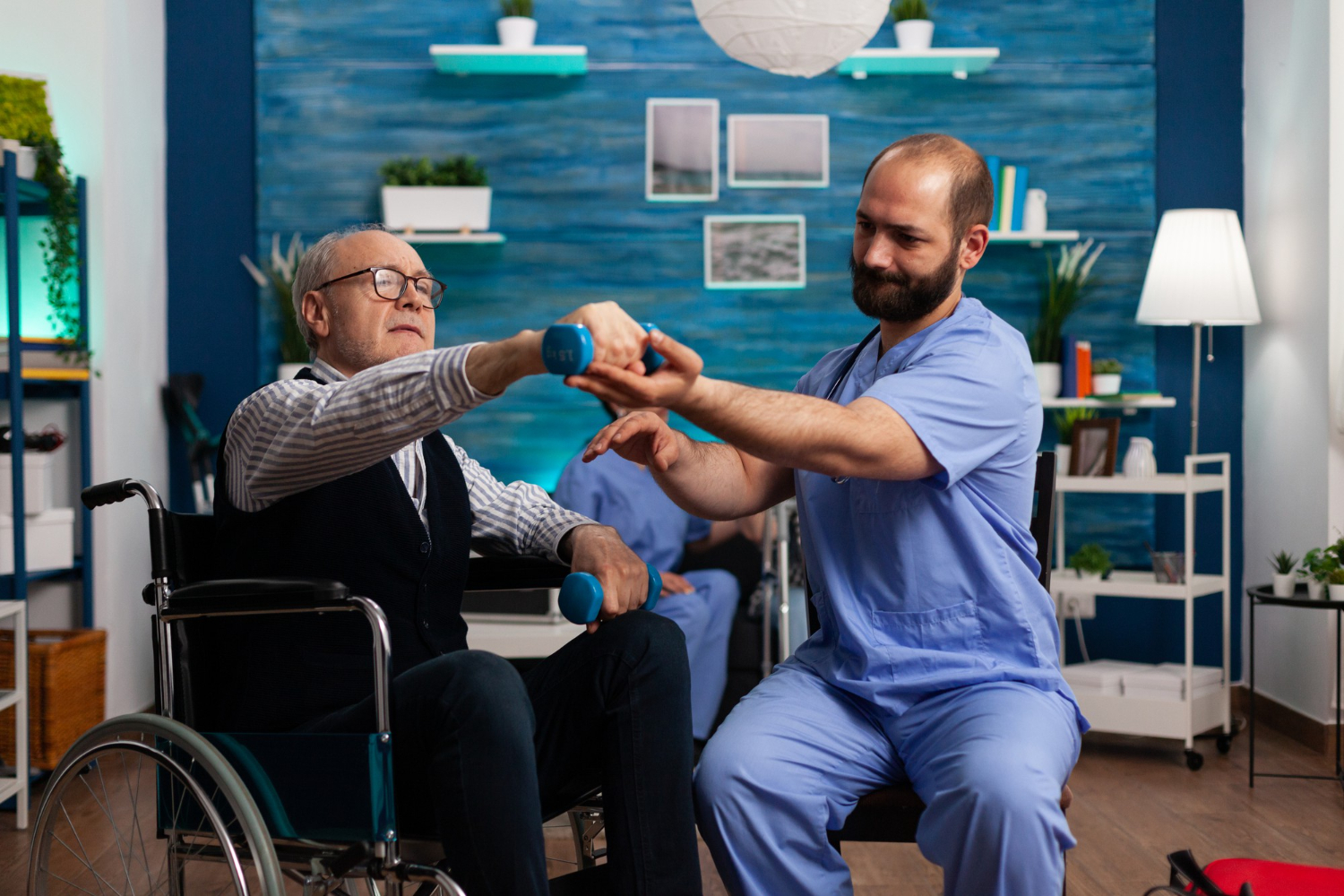
Neurological conditions can affect the brain, spinal cord, nerves, movement control, balance, coordination, muscle strength, and everyday functional abilities. Stroke and Neurological Rehabilitation focuses on helping patients improve their physical abilities and regain as much independence as possible.
At Reluxe Physiotherapy, neurological physiotherapy is adapted to the patient’s condition, physical abilities, limitations, and recovery goals.
Rehabilitation may involve repeated movement training, strengthening, balance exercises, mobility practice, and functional activities designed to improve confidence and independence.
Who May Benefit from Neurological Physiotherapy?
Neurological rehabilitation may be appropriate for individuals experiencing:
- Stroke-related weakness
- Reduced balance
- Difficulty walking
- Muscle stiffness
- Reduced coordination
- Reduced mobility
- Weakness affecting one side of the body
- Difficulty with transfers or everyday movements
- Neurological conditions affecting physical function
Each patient’s symptoms can vary significantly, making individualized assessment particularly important.
Personalized Neurological Assessment
The physiotherapist may assess areas such as:
- Muscle strength
- Joint mobility
- Balance
- Walking ability
- Coordination
- Posture
- Functional movement
- Ability to sit, stand, and transfer safely
This assessment helps establish practical rehabilitation goals.
For some patients, the priority may be improving sitting and standing balance. Others may focus on walking, stair climbing, or regaining sufficient strength to perform everyday activities more independently.
Rehabilitation Techniques
Neurological physiotherapy may include:
- Strengthening exercises
- Balance training
- Coordination exercises
- Gait and walking practice
- Mobility training
- Stretching
- Postural exercises
- Functional task practice
- Transfer training
- Endurance exercises
Exercises are generally progressed gradually according to the patient’s ability and response.
Repeated practice plays an important role in neurological rehabilitation because consistent movement training can help improve control and functional confidence.
Improving Daily Function
One of the primary objectives of neurological rehabilitation is to improve independence in everyday activities.
Physiotherapy may therefore focus on movements involved in:
- Sitting and standing
- Walking safely
- Changing positions
- Getting in and out of bed
- Using stairs
- Maintaining balance during daily tasks
- Improving confidence during movement
Family members or caregivers may also receive practical guidance where appropriate.
Benefits of Neurological Rehabilitation
Structured physiotherapy may help improve:
- Muscle strength
- Balance
- Coordination
- Walking ability
- Joint flexibility
- Movement control
- Functional independence
- Confidence during everyday activities
The extent and speed of improvement vary depending on the neurological condition, overall health, severity, and consistency of rehabilitation.
Compassionate Neurological Physiotherapy Care
At Reluxe Physiotherapy in Gowlidoddi, Vattinagulapalle, neurological rehabilitation is provided with patience, structured progression, and individualized goals.
The focus is on helping patients make meaningful improvements in their movement and daily function while supporting greater confidence and independence.
For patients who have difficulty travelling, Home Care Physiotherapy may also be considered depending on individual requirements.
Other Services
Start Your Journey to Better Movement
Get personalized physiotherapy and help you return to an active, confident lifestyle.