
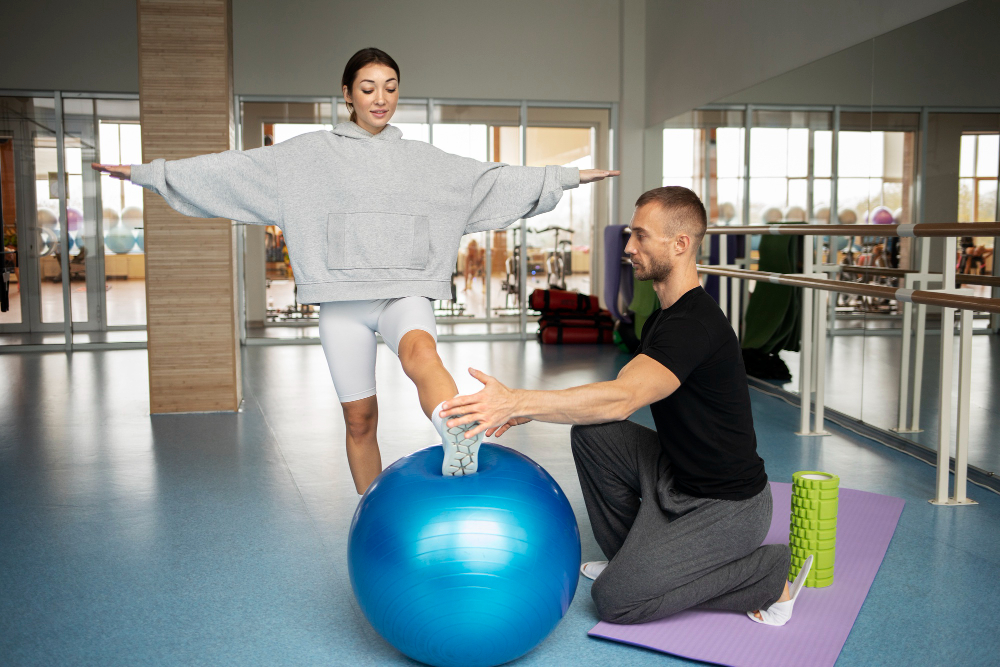
What Are Balance Problems?
Balance problems make it hard to stay steady while standing or moving. For many people, these issues can cause unsteadiness or even falls. Because balance problems affect daily life, they can make walking, climbing stairs, or even standing still feel unsafe. According to the CDC, balance issues are common, especially as people age. However, anyone can experience them at any time. In fact, balance depends on the brain, muscles, eyes, and inner ear working together. When one part does not work well, you may feel dizzy or off-balance.
Common Causes of Balance Problems
There are several reasons why someone may have trouble with balance. Often, more than one cause is involved. For example, some common causes include:
Additionally, some health conditions like diabetes or arthritis can make balance worse. Because causes vary, it is important to find the reason for your symptoms.
Symptoms and Warning Signs
Balance problems can show up in different ways. Sometimes, they are easy to notice. Other times, the signs are mild but still affect daily life. Watch for these symptoms:
Because these signs can be serious, you should talk to a doctor if you notice them. Early help can prevent injuries and improve your quality of life.
How Physiotherapy Helps with Balance Problems
Physiotherapy is a safe way to improve balance and coordination. In many cases, a trained physiotherapist can find the cause of your balance issues. After that, they create a plan just for you. For example, they may use exercises to strengthen muscles, improve posture, and train your brain to react faster. According to the World Health Organization, physiotherapy can lower the risk of falls and help people stay active. In addition, physiotherapists teach safe ways to move and stand. This support can help you feel more confident every day.
Key Physiotherapy Techniques to Improve Stability and Coordination
There are many physiotherapy techniques that target balance and coordination. Because everyone is different, your physiotherapist will choose the best exercises for you. Some common techniques include:
Sometimes, physiotherapists use special equipment like balance boards or foam pads. For people with severe issues, they may suggest walking aids for extra safety. If you live in a city or rural area, ask about local physiotherapy clinics or home visit options.
Lifestyle Tips to Support Balance and Coordination
Besides physiotherapy, you can try simple changes at home to support your balance. For instance, these tips may help:
Additionally, let your doctor know about any new medicines or health changes. Small steps can make a big difference in your daily safety.
Prevention Strategies for Balance Issues
Preventing balance problems is possible for many people. Because falls can lead to injury, taking action early is important. Try these prevention strategies:
For older adults, community programs and physiotherapy classes can offer extra support. In many locations, local health centers provide balance screenings and fall prevention workshops.